Finishing a game used to carry some weight. The credits rolled and you sat with it for a day or two, before eventually moving on to the next experience. Clean, tidy, satisfying.
That rhythm worked for a long time. But at some point it quietly stopped being how most players actually engage with games, and something with no ending at all started taking up the bulk of their hours instead.
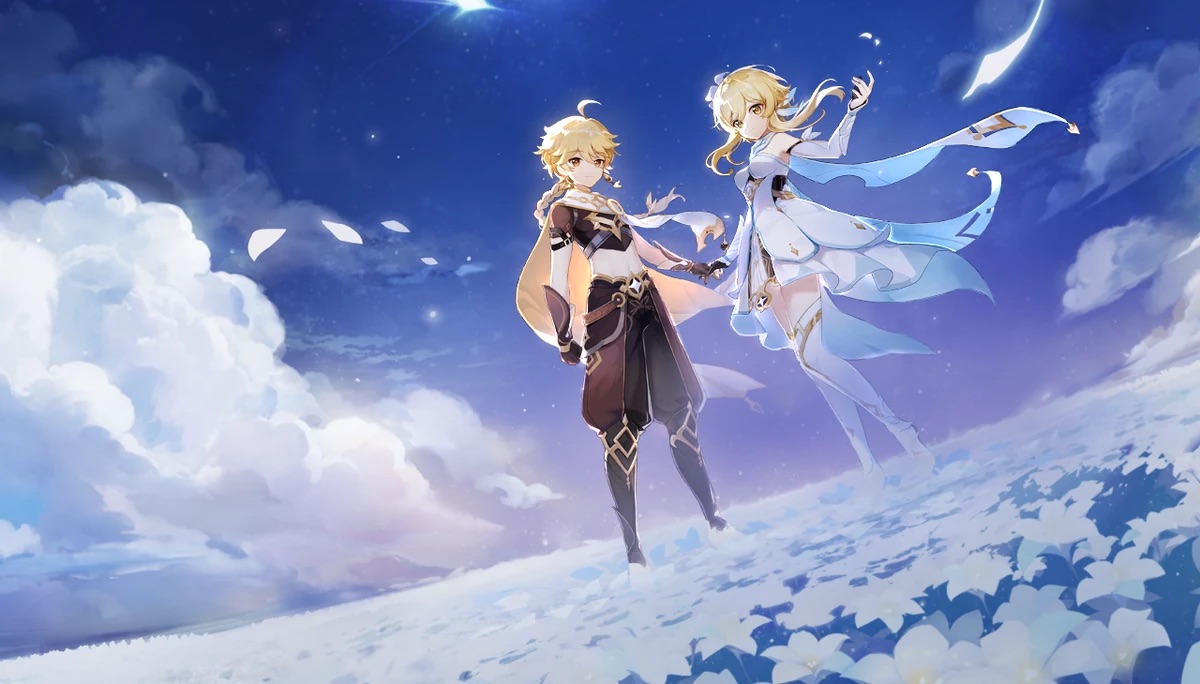
Forever games, built to run indefinitely through seasonal content, live events, and rolling updates, are no longer a niche format. Fortnite, Genshin Impact, Destiny 2, League of Legends, Path of Exile, Final Fantasy XIV – none of these end. They just keep going, and tens of millions of players prefer it that way.
So what actually shifted? It was not purely studios deciding to chase live-service revenue, though that was part of it. Players were already moving in this direction before the industry caught up.
Look at where people genuinely spend their gaming hours and the picture becomes clear: the most-played online games at any given moment are almost always titles that have been running for years. Not new releases with big launch numbers, but games people quietly never stopped playing. We’ve teamed up with Plarium to look at why we keep coming back because those worlds keep giving us something to come back for.
Why Finite Games Started Feeling Incomplete
The frustration with games “ending too soon” has been getting louder for years. Sink sixty or eighty hours into a big RPG, reach the credits, and something deflates. The world is still there, technically, but it stopped mattering the second the story ended.
For those of us who dip in and out casually that is probably fine. For anyone who has made a game their primary hobby or social space, that kind of hard stop can genuinely sting.
Forever games just removed the cutoff. There is always a season turning over, an event running, a patch reshuffling things enough to make yesterday’s approach feel fresh again. Whatever you built, whoever you played with, it all carries forward rather than closing out. That sense of continuity matters to players more than developers initially expected, and the studios that figured it out early still have thriving communities built around games that are, by any conventional measure, very old.
The Social Layer Is the Retention Engine
A lot of why people stay in these games has nothing to do with the games themselves. It is the people in them. When your crew logs in every Tuesday and Thursday, skipping feels less like a gameplay decision and more like bailing on plans. The social layer and the game loop stopped being separable things a while ago, and that fusion is entirely by design.
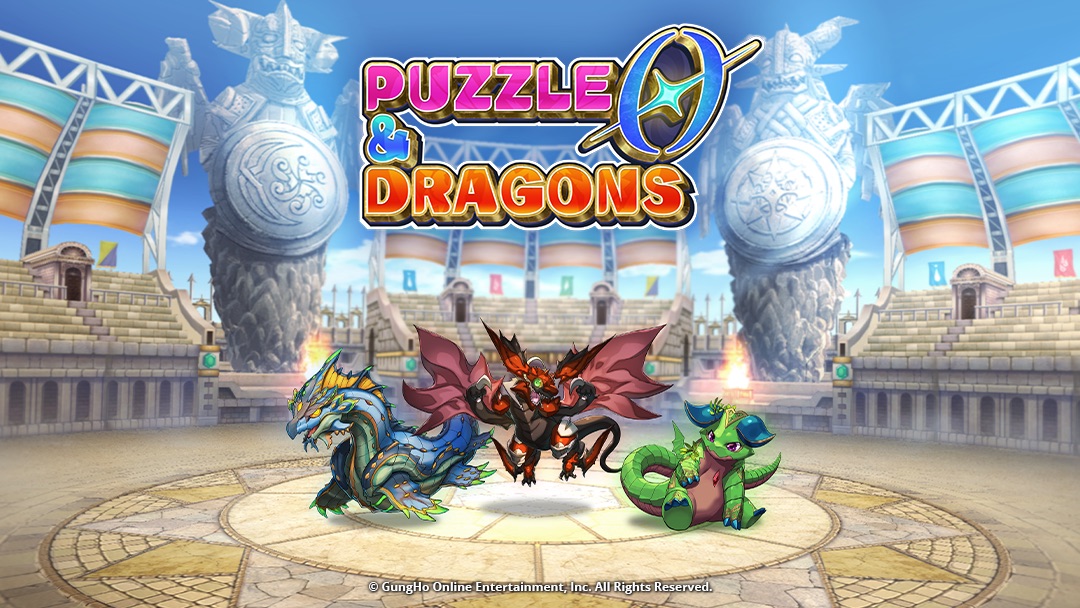
Nowhere was this figured out earlier than mobile. The top Japanese mobile games, Monster Strike and Puzzle & Dragons chief among them, were built around this principle before most console developers caught on. Guilds, cooperative raids, mechanics that required other players to work at all: quitting one of those games did not feel like deleting an app. It felt like leaving a group chat. That design philosophy eventually found its way into every major live-service title across every platform, and it is a big part of why the format has the grip it does.
The Economics Align With the Impulse
Battle passes made the psychological pull explicit. Once a game ties seasonal rewards to time-limited challenges, every hour you are not playing starts to register as a choice with consequences. You are not just deciding what to do with your evening.
You are deciding whether to miss content that is going away permanently. That kind of tension drives consistent engagement in a way a flat one-time purchase simply cannot.
Publishers obviously benefit from this setup, but players are not passive victims here. Plenty of people genuinely want a reason to check in regularly rather than burning through a game and setting it down. Ongoing rewards, a world that keeps changing, a community that sticks around: these things scratch a different itch than a great ending does. The format gets criticized when it turns predatory, fair enough, but it would not dominate the market if players were not choosing it themselves.
The Finite Experience Is Not Dead, Just Repositioned
Single-player games with real endings still sell. Elden Ring, Baldur’s Gate 3, and Hades all proved that a strong contained experience can generate massive enthusiasm. But notice how people talk about those games: with the specific energy of someone rediscovering something they had been missing. Their success does not really challenge the live-service model. It exists alongside it, feeding a different appetite in the same audience.
Players have sorted themselves into different rhythms. Some bounce between a live-service home base and occasional story games. Others barely leave one world for years. The notable thing is that the second group now accounts for a disproportionate share of total gaming hours, and the industry structure ultimately reflects whether studios want it to or not.