The current summer competitive season is delivering a lot of surprises, breaking familiar analytical models and bookmaker predictions. We closely watch the recent tournaments and notice an obvious trend – recognized giants are increasingly dropping series to clear underdogs.
In our opinion this shift is tied to the global fatigue of the favorites after exhausting spring LANs and fundamental changes in game balance. Old strategies that brought titles at the beginning of the year no longer work, while conditional dark horses adapt to new conditions much faster.
We’ve teamed up with EGamersWorld to look at how we are possibly witnessing a unique time where an Esports team’s nominal status on paper no longer guarantees easy points on the server.
A Shift in Power Dynamic
The summer tournament season in League of Legends started with absolutely unprecedented results that completely broke the pre-tournament expectations. The main sensation was the failure of the Korean roster Gen.G to qualify for the upcoming MSI 2026.
Fatigue after grueling starting LANs is taking its toll, and nominal “dark horses” successfully take advantage of the reigning champions’ drop in form, regularly taking crucial points away from them.
Against the backdrop of some giants falling, other squads are literally rising from the ashes. The Chinese roster Top Esports looks absolutely magnificent, especially considering the recent match-fixing scandal and the forced replacement of the implicated player, naiyou.
After an emergency roster cleanup, TES managed to stabilize their game and take 2nd place following LPL 2026 Split 2, which gave them the opportunity to qualify for MSI. To understand the scale of the current top-tier shake-ups, one only needs to look at the statistics according to EGamersWorld, which clearly show how Europe is also actively pressuring the global scene.
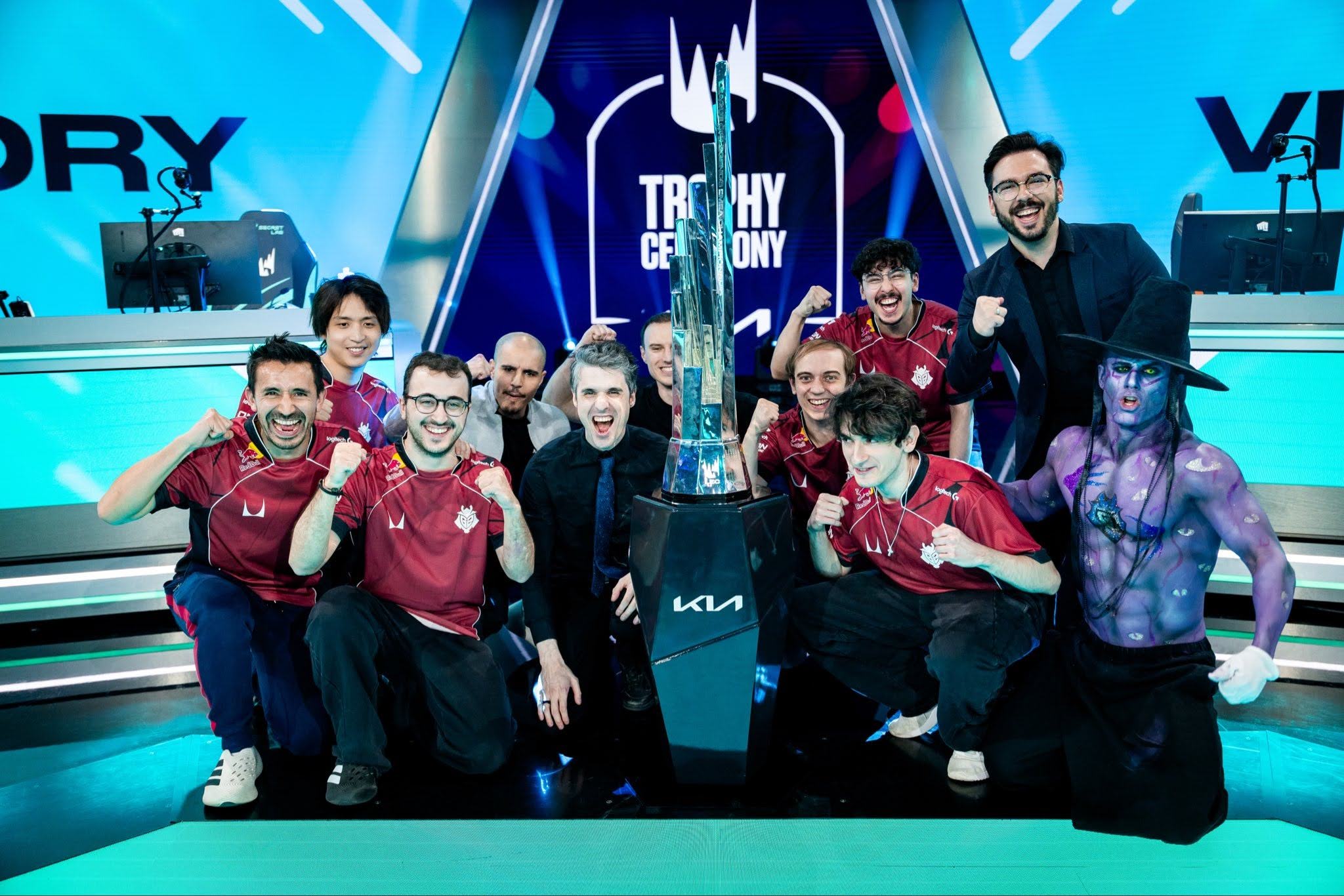
The G2 Esports roster clearly demonstrated their form in the playoffs of the First Stand tournament, where they steamrolled over FearX and the aforementioned Gen.G, closing both series with a clean 3:0 score.
Instability of Giants and New Winners in CS2
In Counter-Strike 2, the situation looks completely unpredictable, and major tournaments have shattered the usual hierarchy. I think the era of total dominance by one or two giants has temporarily paused due to a packed calendar and frequent updates.
A striking example of the favorites’ instability is the situation surrounding Team Spirit: the squad still displays incredibly strong shooting and strikes fear into opponents, but even their game increasingly shows slip-ups against lower-ranked rivals. The French organization Team Vitality, after a series of high-profile victories at the start of the year, has also begun to drop back slightly, losing concentration in key matches.
At the same time, long-awaited tectonic shifts are occurring on the professional scene. The Team Falcons roster, after a huge number of painful failures just a step away from a title, finally closed all questions by securing a crucial victory at the Major. The guys proved they know how to learn from past defeats and are ready to break the default rounds of any favorites through strict discipline. In parallel, the Brazilian roster FURIA Esports often “pops off,” as their chaotic and hyper-aggressive playstyle from unusual positions regularly leaves European teams at a loss.
A Shift in Regional Leaders in Dota 2
In Dota 2, we are witnessing a genuine shift in eras. The dominance of Western European squads has ended, and the unbeatable runs of Team Falcons, Gaimin Gladiators, and Tundra Esports now feel like a distant memory. This decline primarily stems from calendar overload: constant flights have reduced their practice time to practically zero, which competitors immediately capitalized on.
Currently, the main power on the professional scene is concentrated in the CIS region. This is proven by four CIS teams receiving direct invites to the main championship of the year. Furthermore, numerous Eastern European squads in the closed qualifiers show excellent preparation and high chances of advancing to the main stage. They dictate the pace and use aggressive drafts to break the academic setups of European giants.
New Champions in Valorant
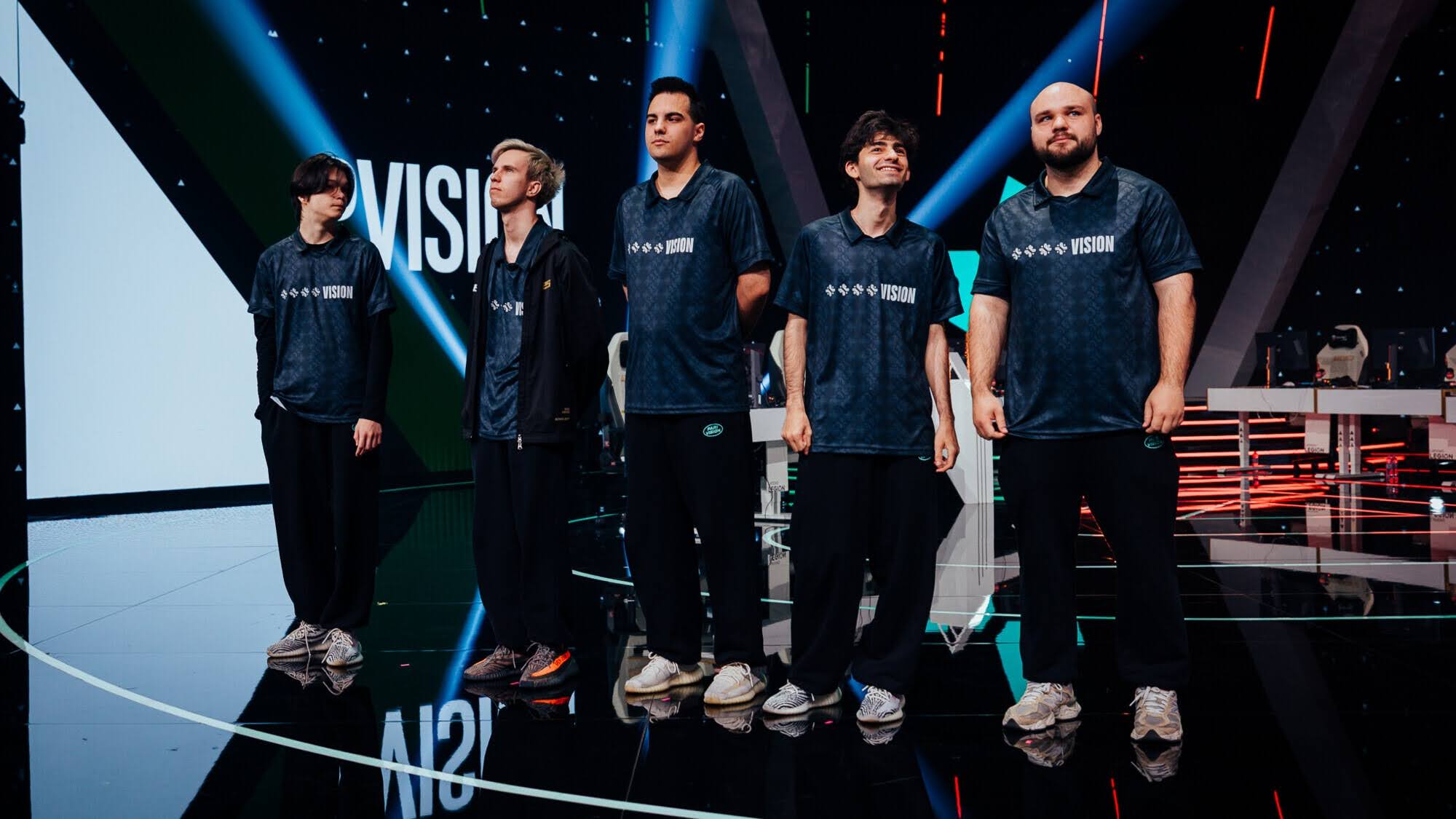
In competitive Valorant, the 2026 season was massively unpredictable, with former lower-tier underdogs now confidently claiming international trophies. The most striking example was the sensational victory of the Korean roster Nongshim RedForce at Masters Santiago. They became the first Ascension team to win a major LAN, crushing Paper Rex 3:0 in the finals.
This trend continued at Masters London 2026, where the Argentine squad Leviatán secured a historic title in their very first international grand final appearance. Regional leagues show an identical picture: during VCT EMEA Stage 1, Team Heretics bypassed recognized favorites like Fnatic to capture their first championship cup, while updated rosters like G2 Esports claimed victory in the first VCT Americas split.
This radical shift is possibly tied to the flexibility of younger teams. Recent map pool changes and agent balance adjustments rendered the old strategies of top clubs ineffective. While recognized tier-1 giants slowly rebuild their macro game, less established organizations adapt much faster. They quickly discover new ability combinations and force an aggressive style, allowing them to consistently win crucial clutches.